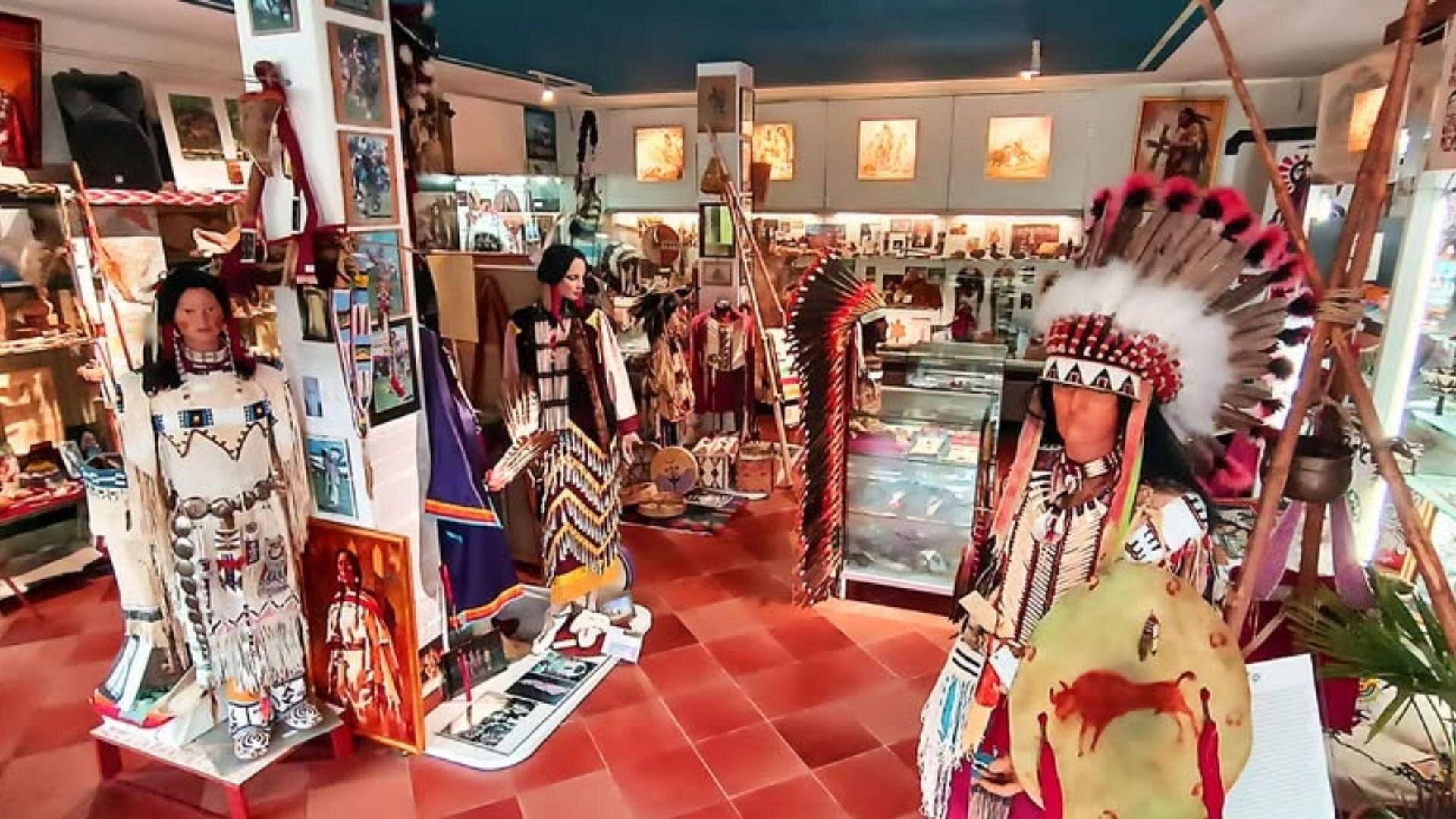
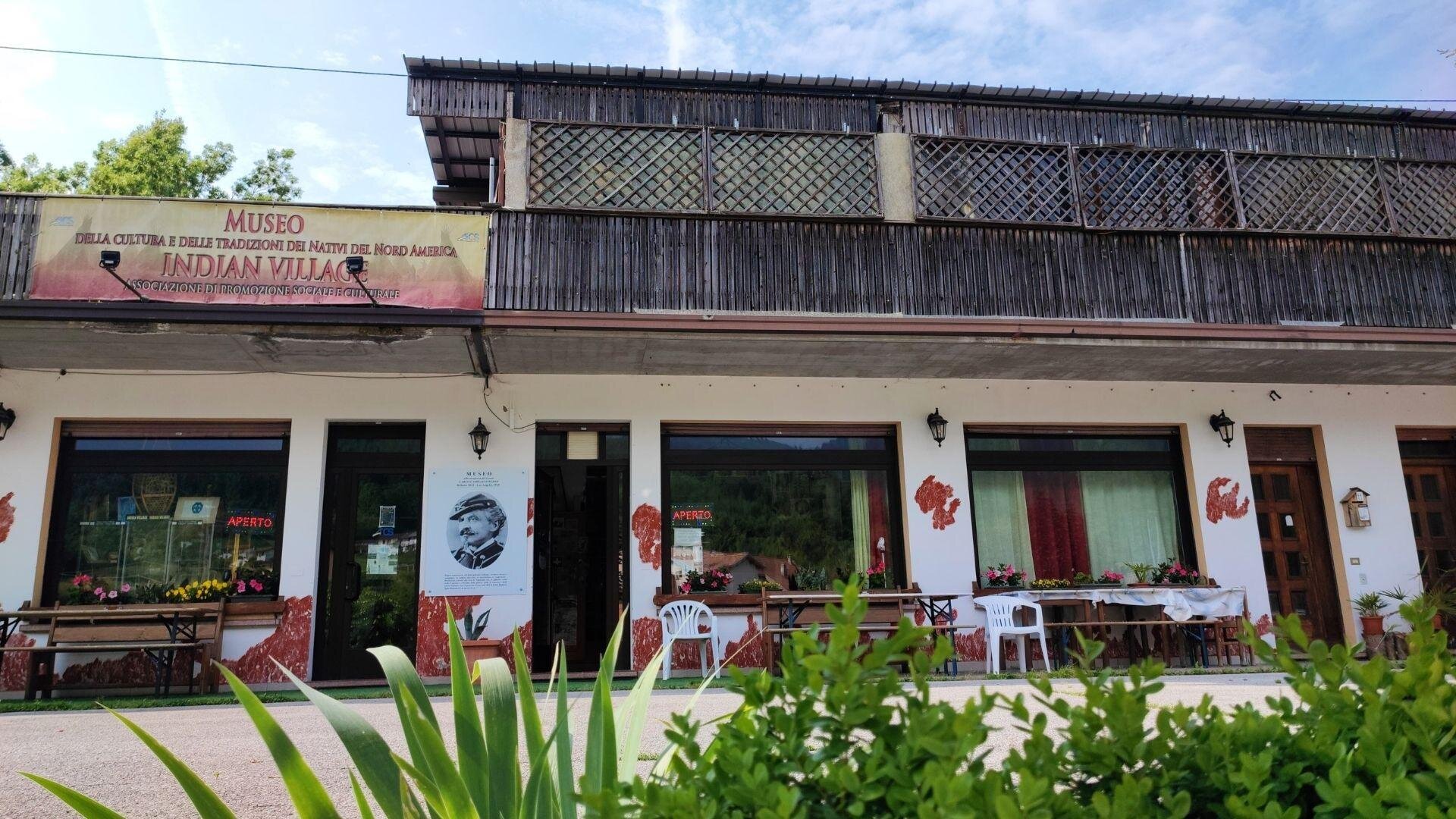
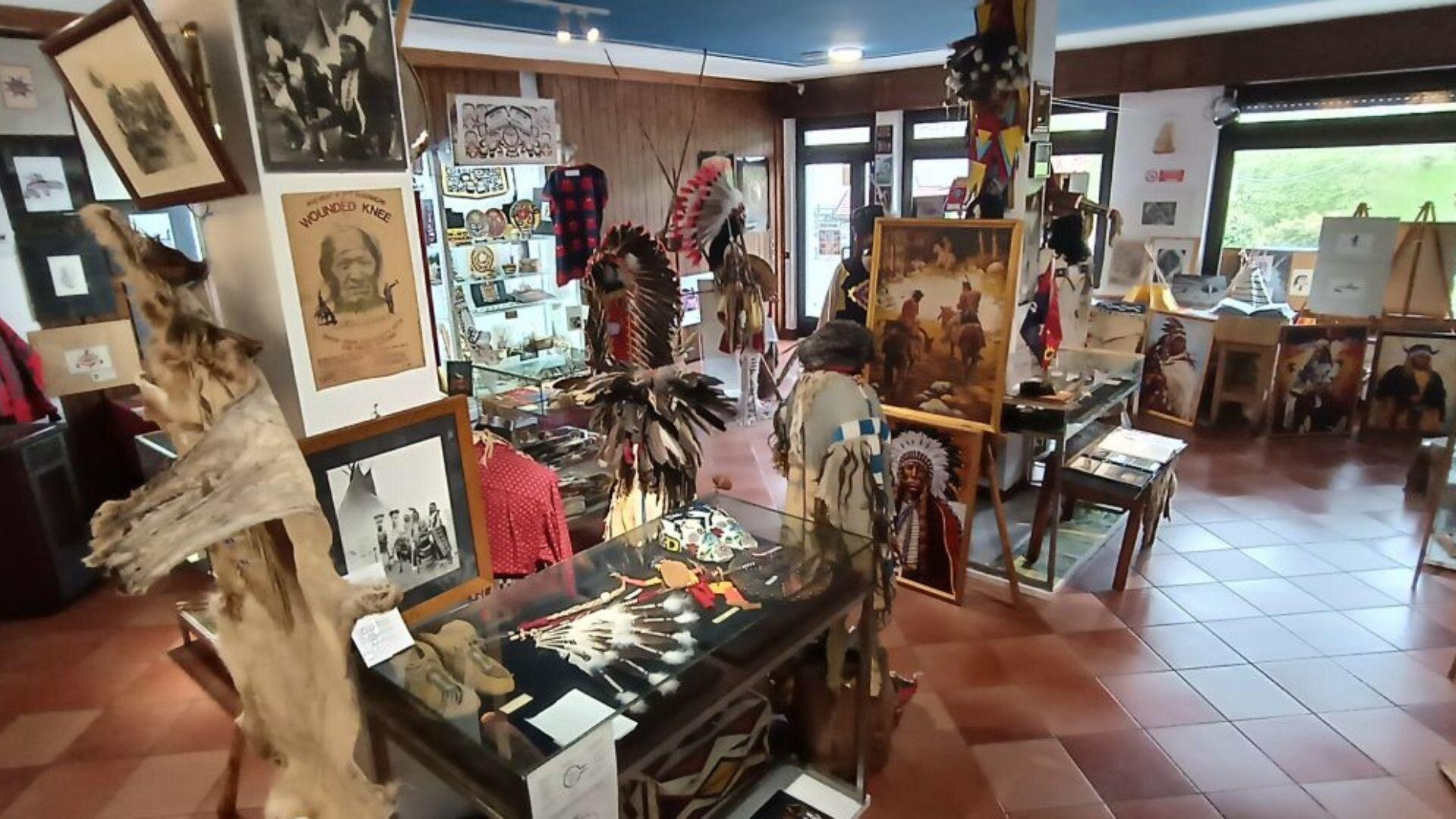
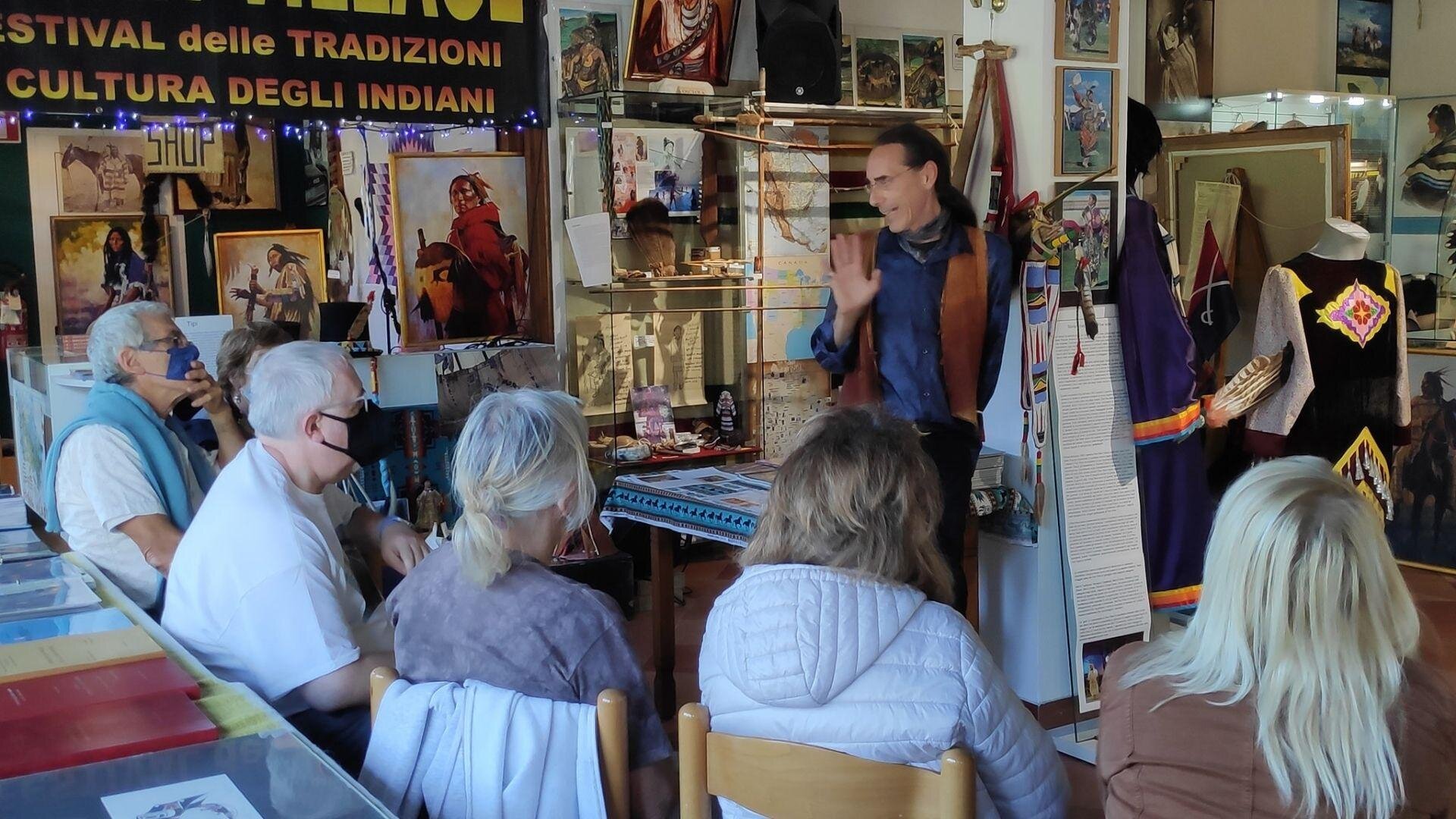
In Valmorel, the Indian Village Museum offers a unique cultural experience, based on a cyclical vision of time and life. Founded by Alessandro Laganà, inspired by a childhood encounter with a Native American at the University of Padua. The museum promotes authentic knowledge of the cultures of the Indigenous peoples of North America.
The Indian Village association is dedicated to the preservation and enhancement of native traditions, organizing the Indian Village Festival and managing the museum with engaging pathways. From the Great Plains to the Southwest, the museum displays traditional clothing, everyday tools, and ceremonial artifacts, each with its own story. Alessandro Laganà's narratives provide context and depth, raising visitors' awareness of the cultural heritage of Indigenous peoples.
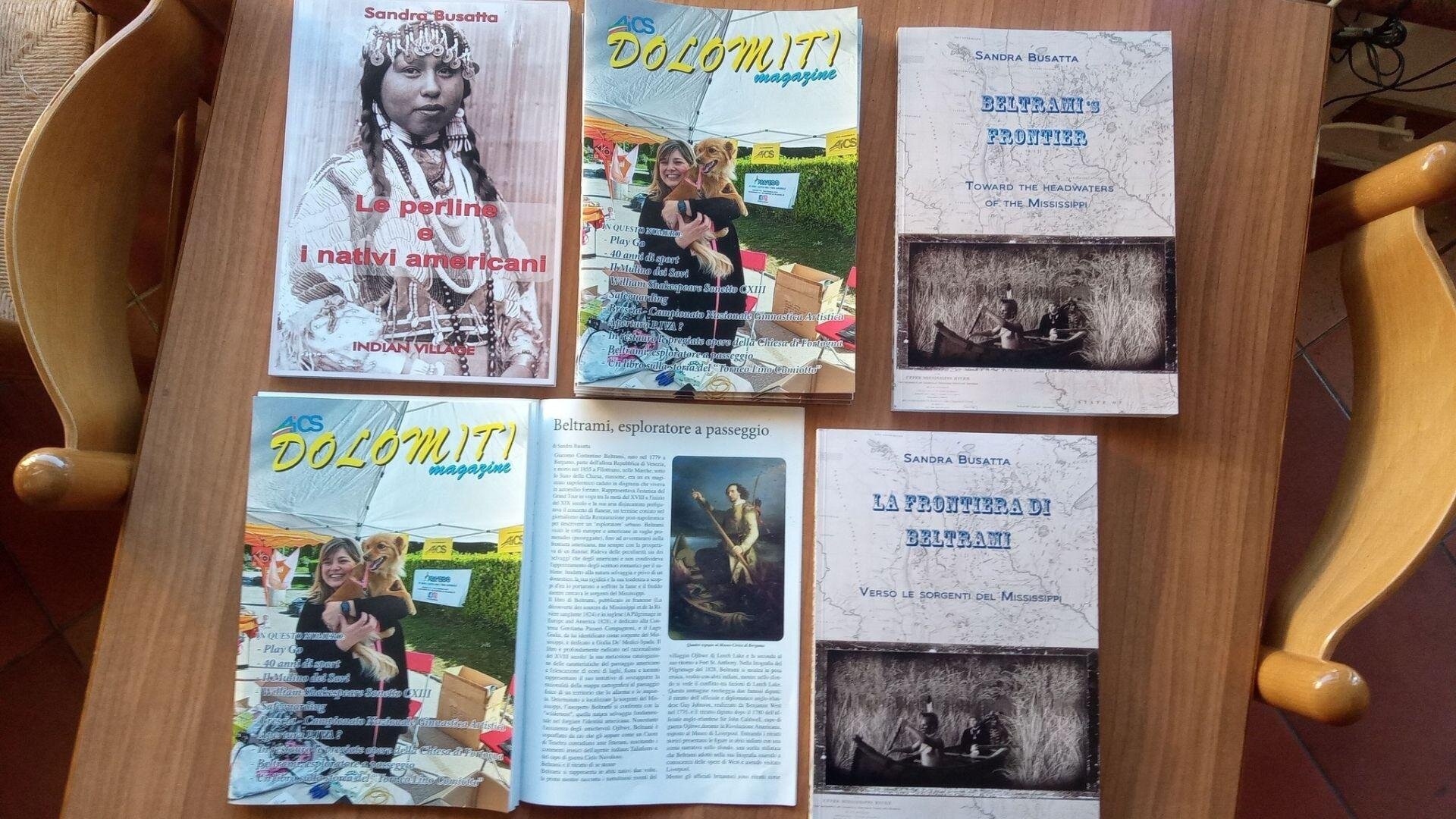
The center includes a library open to the public, enriched over time through donations and support from experts like anthropologist Cesare Marino (responsible at the Smithsonian Institution in Washington DC) and Drs. Sandra and Flavia Busatta (University of Padua). Practical workshops, craft demonstrations, and Teepee customizations are available.
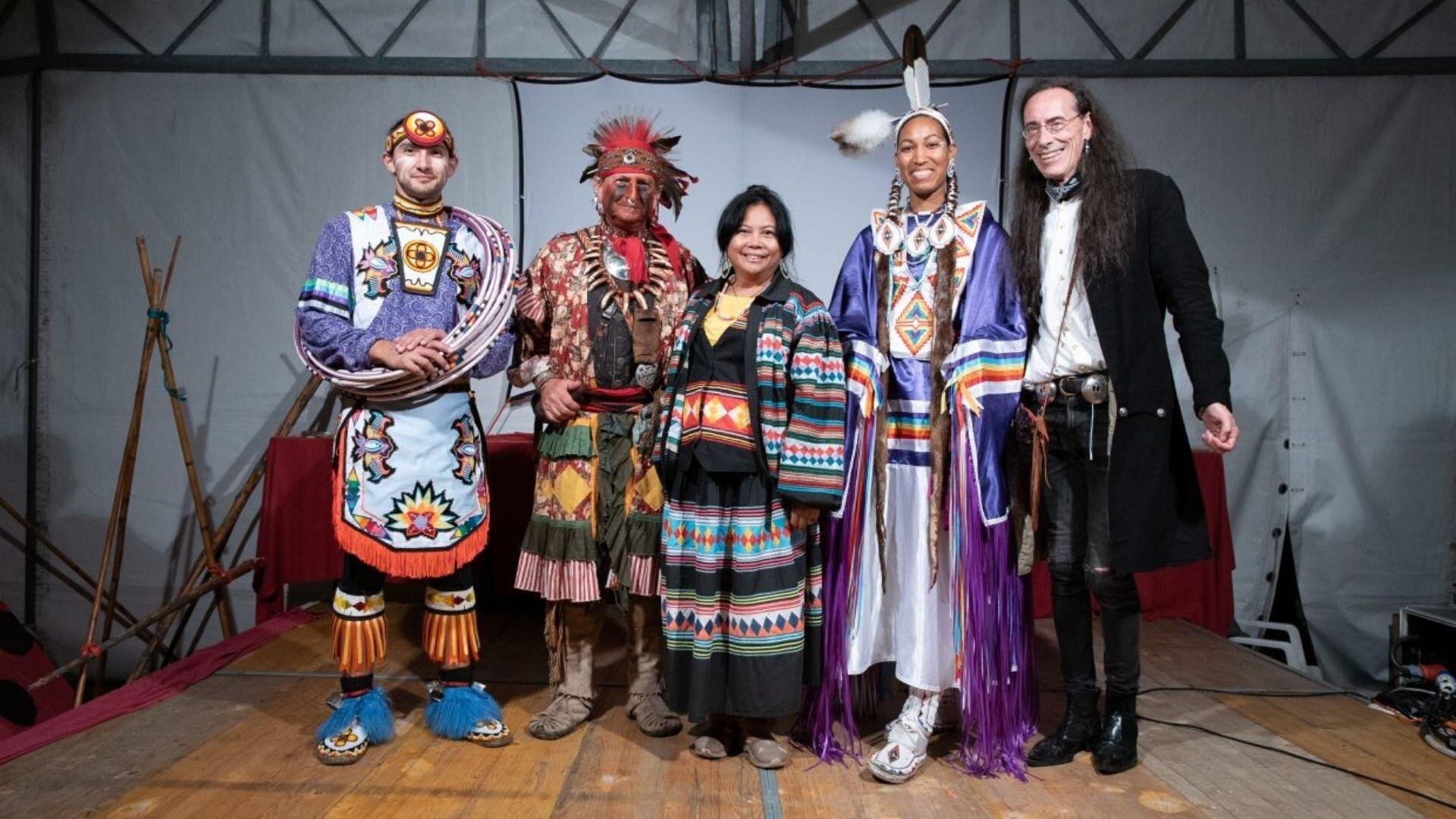
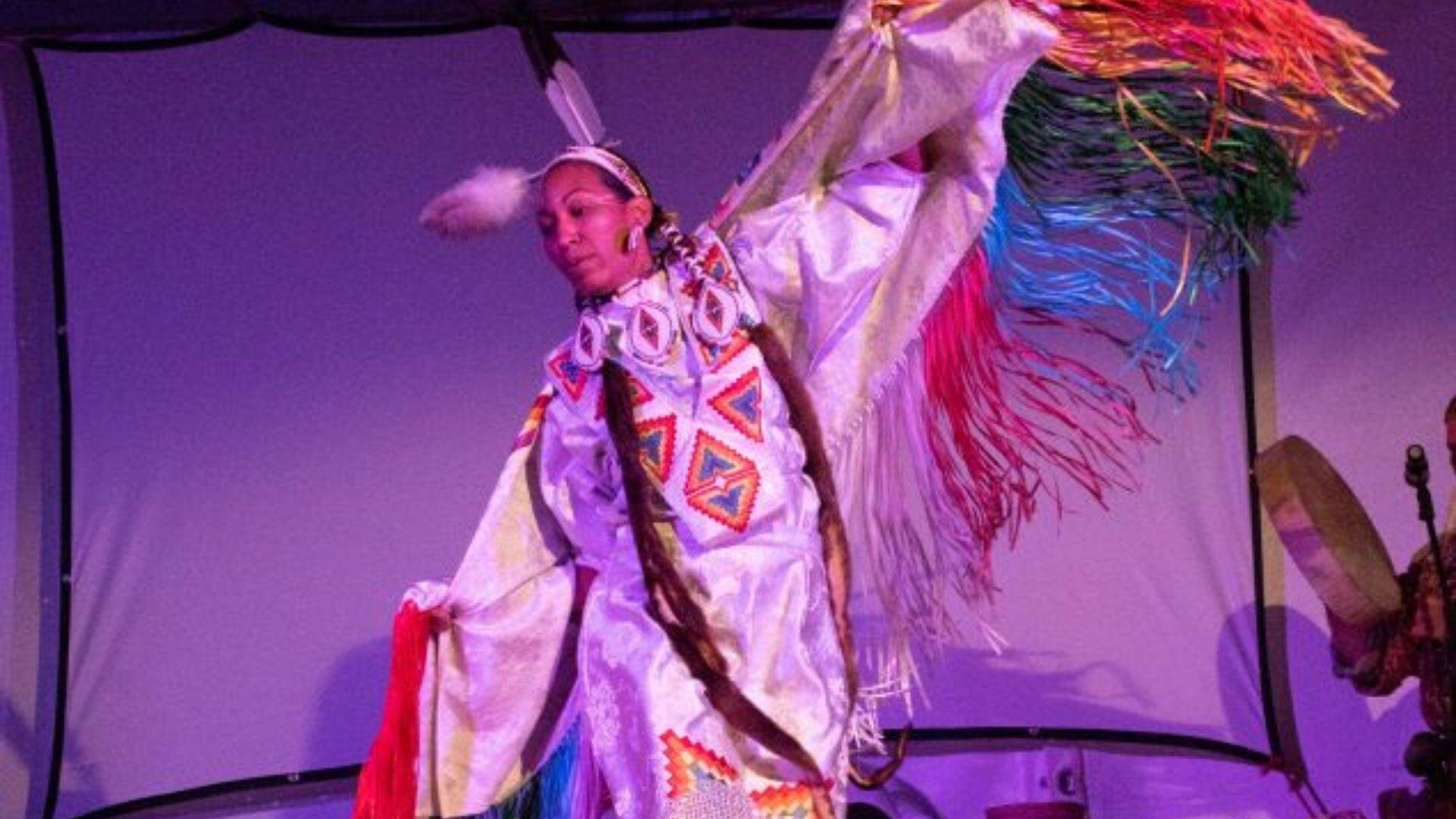
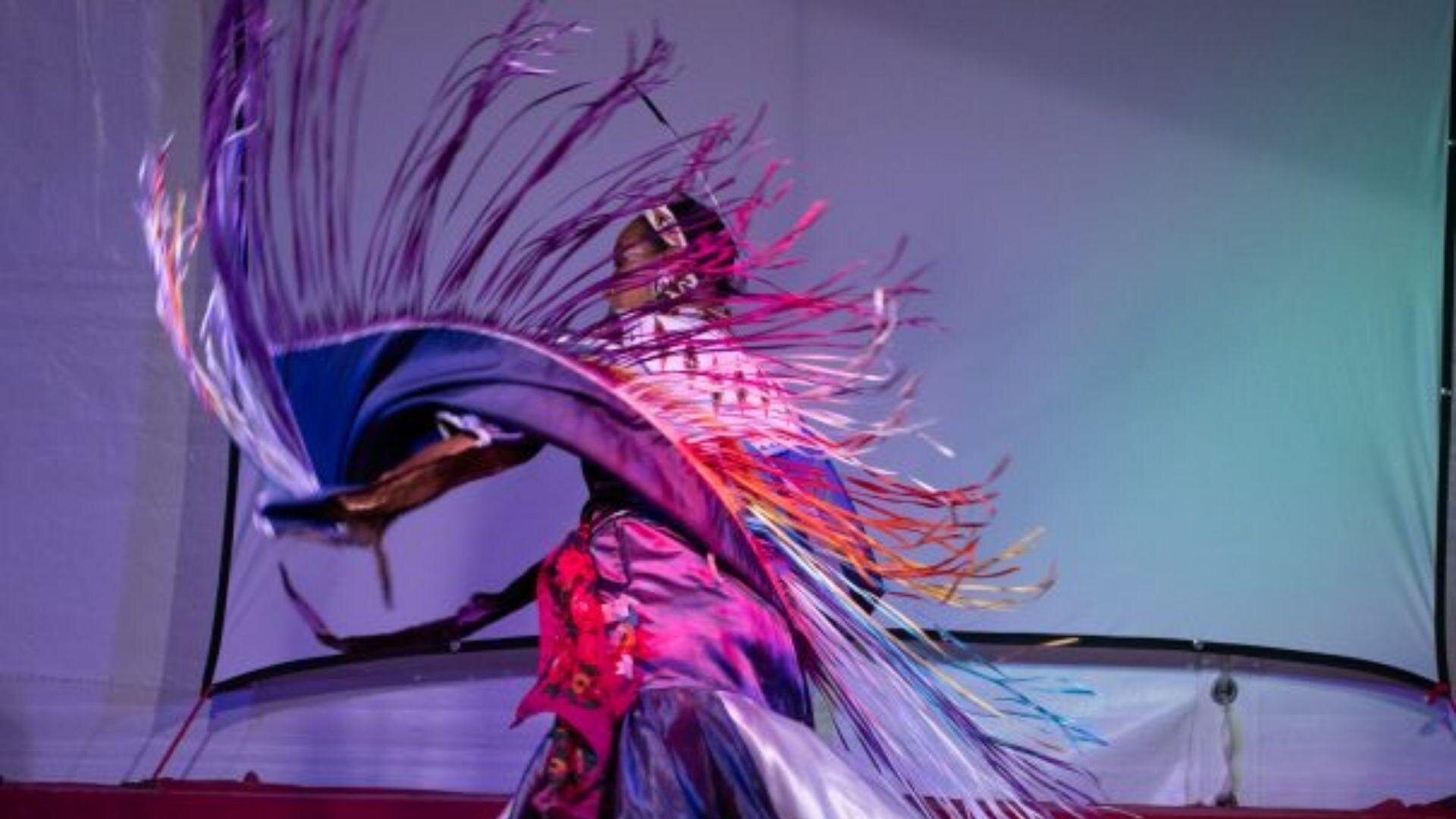
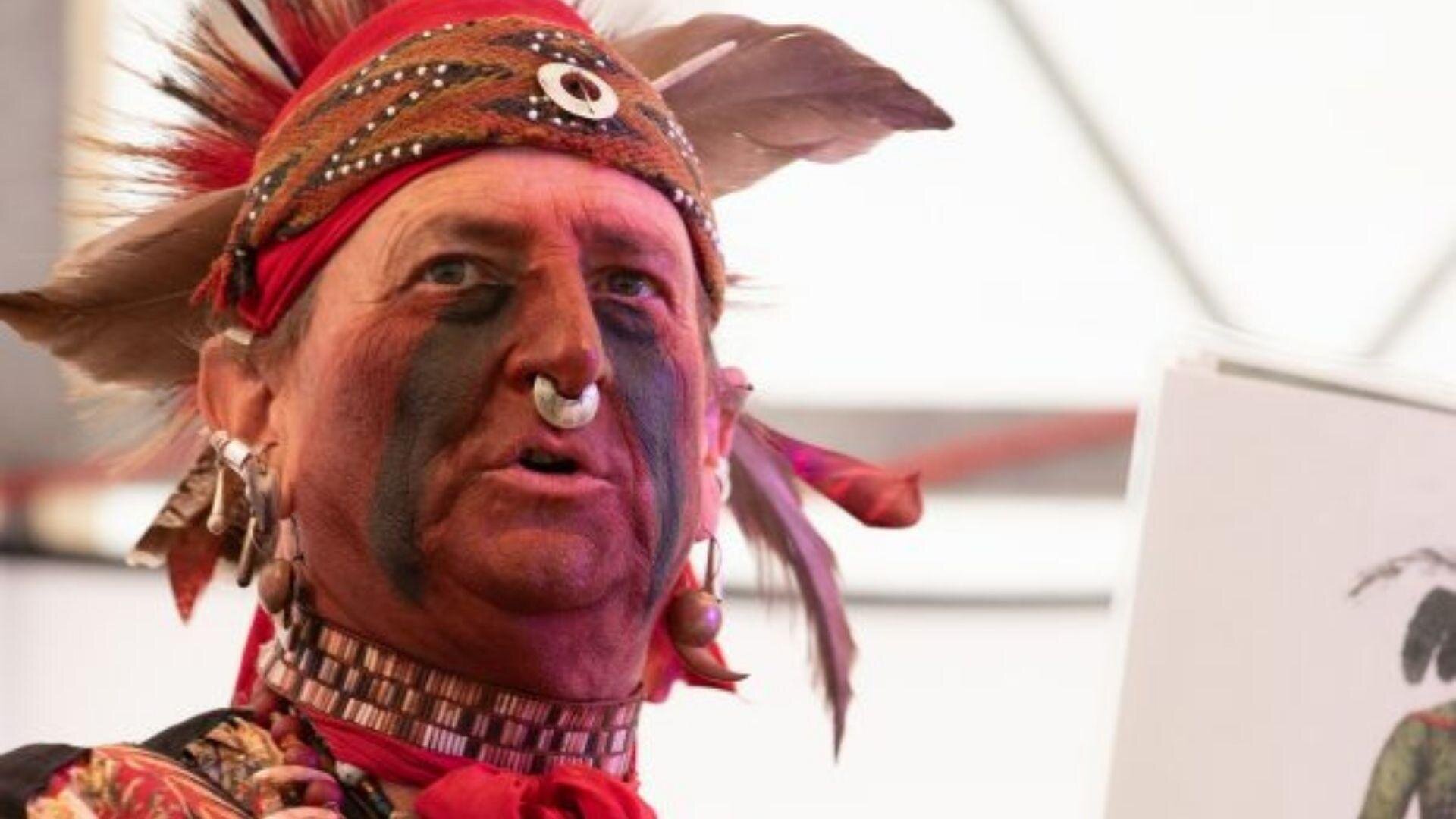
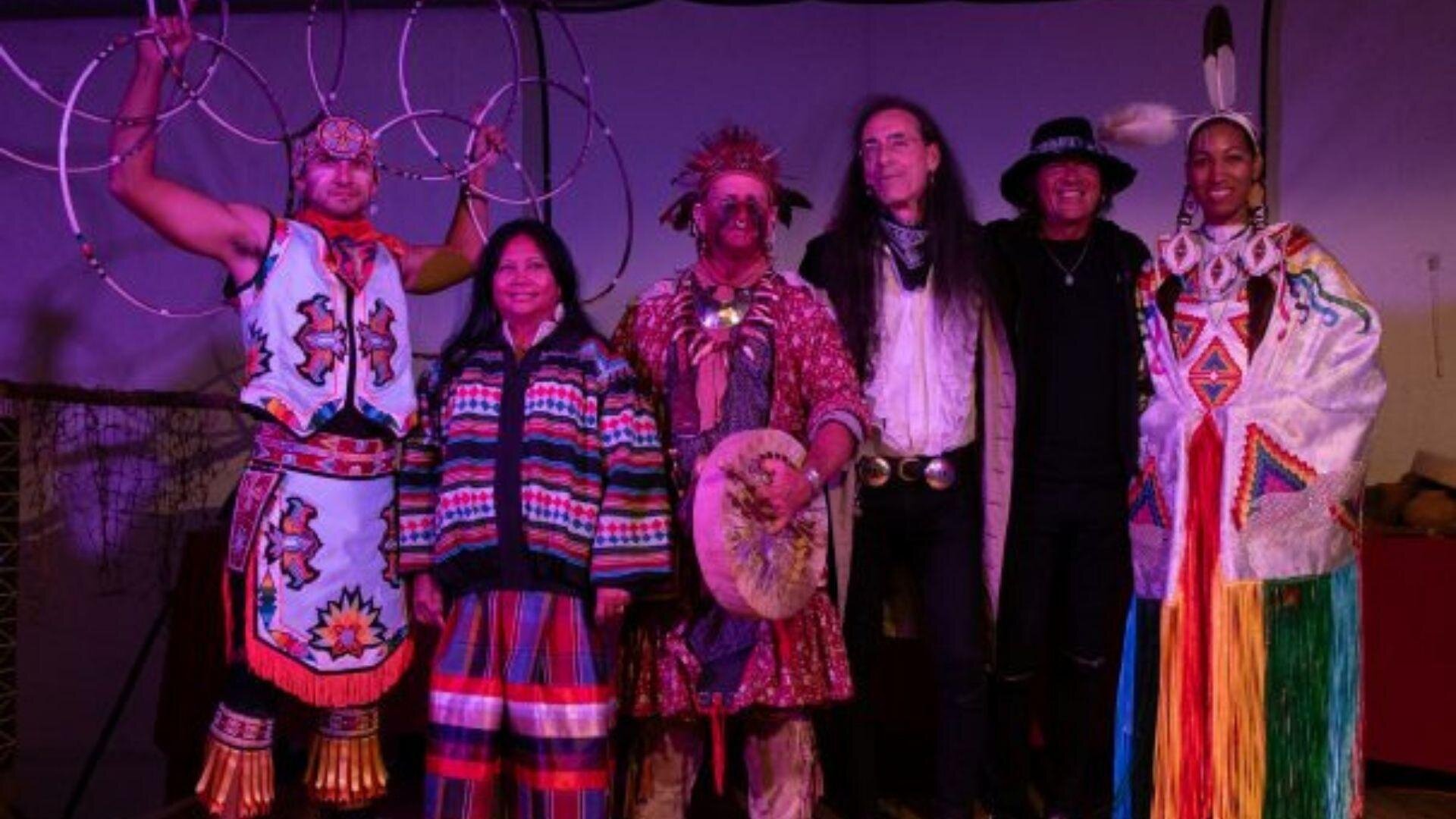
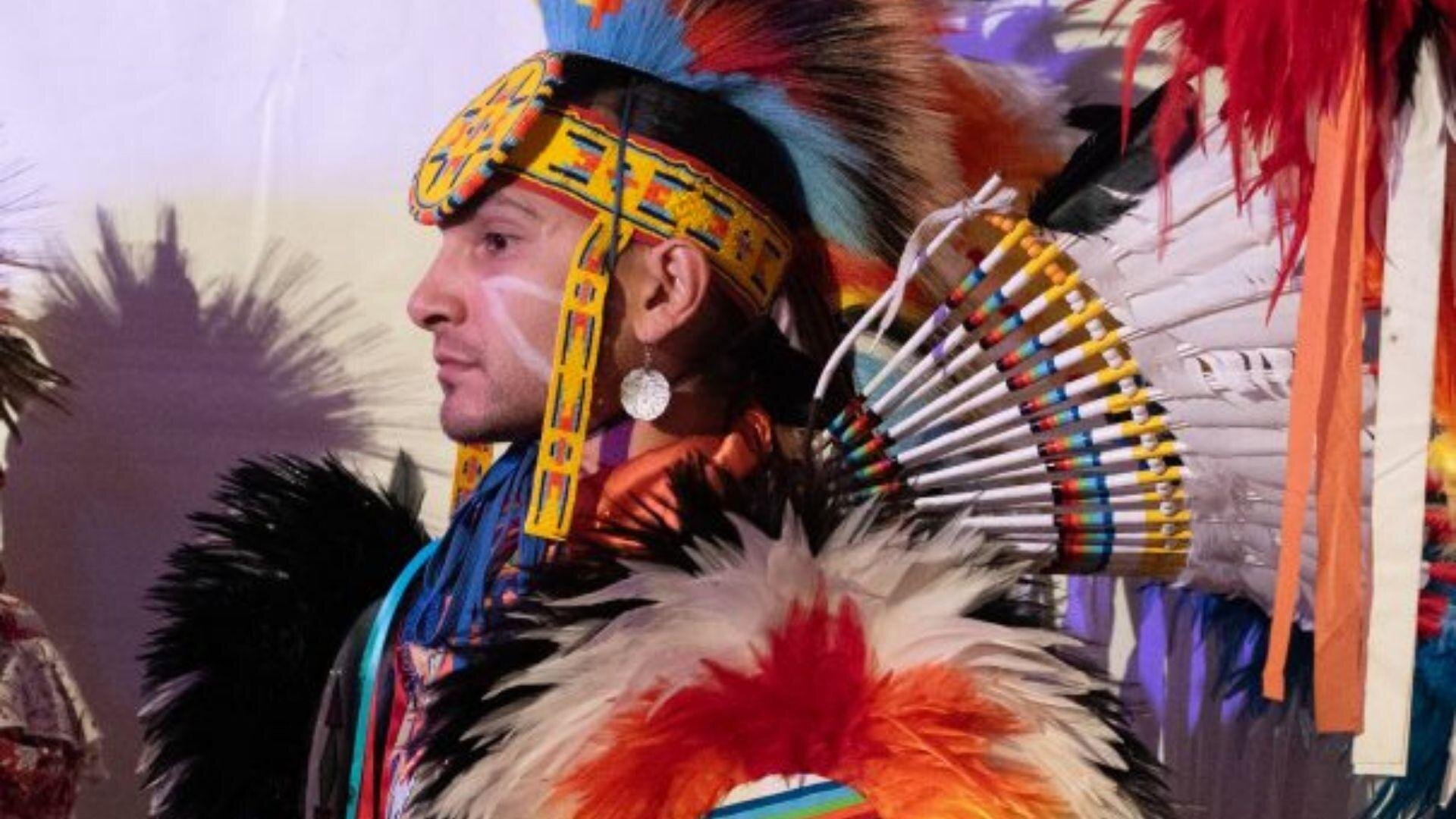
The Indian Village Festival is an annual event that brings together enthusiasts and representatives of native communities, featuring musical performances, dances, and traditional storytelling. The museum serves as a landmark for those who wish to respectfully and deeply discover the culture of Native Americans.
For more information and curiosities, the video dedicated to the Indian Village Museum is available.
A museum that lives and tells
The Indian Village Museum arises from a deep desire to tell the truth behind the history, culture, and spirituality of the Native peoples of North America.
“It is not a cold or silent museum; it is a living place that speaks of the meetings and emotions experienced by those men and women.”
What makes this place special are the words of the owner, Alessandro: capable of animating every displayed object, telling its life through curious anecdotes. Every visit is a journey, and every word he speaks is a discovery: an experience that is always different... unrepeatable and magical.
For those who are not satisfied with just these words and want to know Alessandro and his museum now, an interesting video introducing them is available on YouTube (link).
Some more details that make a difference
“The museum is small, so much so that it seems like a house... Or perhaps it is just that: a house transformed into a museum out of passion.”
Those who cross the threshold of Indian Village find themselves immersed in a parallel world, where at every corner there are showcases, artifacts, and reconstructions from all over the globe.
The environments may seem chaotic at first glance: in reality, everything is perfectly designed to tell the many different native cultures, from the Great Plains to the Rocky Mountains, to the Southwest.
To be honest, the museum is in constant evolution...
Just as it was set up with materials and furnishings donated by enthusiasts and traditionalists, it is constantly growing thanks to both old and new collaborations.
Even large institutions have done their part… Especially in enriching the museum's library, which is available to visitors. Among them, we would like to remember anthropologist Cesare Marino (responsible at the Smithsonian Institution in Washington DC) who has been a guest of the Museum many times to present his research and publications; and Dr. Sandra and Flavia Busatta (collaborators and teachers in various schools, including the University of Padua), who gifted the owner many artifacts and books following their studies…
In addition to the artifacts, it is possible to participate in personalized guided tours and practical workshops –like the traditional weaving workshop– often held during events or the Indian Village Festival.
It is always preferable to book to enter the museum, which visit duration varies: it can last more than three hours, depending on the time and interest of the visitors.
In general, the approach is educational given the professionalism of the owner, Alessandro, but it is suitable for both those who want to approach these cultures for the first time and those who are already passionate about them.
Admission is by donation, while for groups and schools, a symbolic fee is agreed upon: because for Alessandro knowledge must be accessible to everyone, and he pays great attention to ensuring accessibility for all.
To future visitors: “Come filled with curiosity, as Alessandro will take care of everything else!”