In the silence of Val di Zoldo, where time seems to flow at a different rhythm, the music of Johann Sebastian Bach finds an ideal environment to express all its intensity.
The concert dedicated to the Sonatas for viola da gamba and harpsichord invites the audience to immerse themselves in one of the most fascinating chapters of the German composer's chamber music, in an intimate and engaging listening experience that centers on the dialogue between two instruments capable of conveying emotions with extraordinary depth.
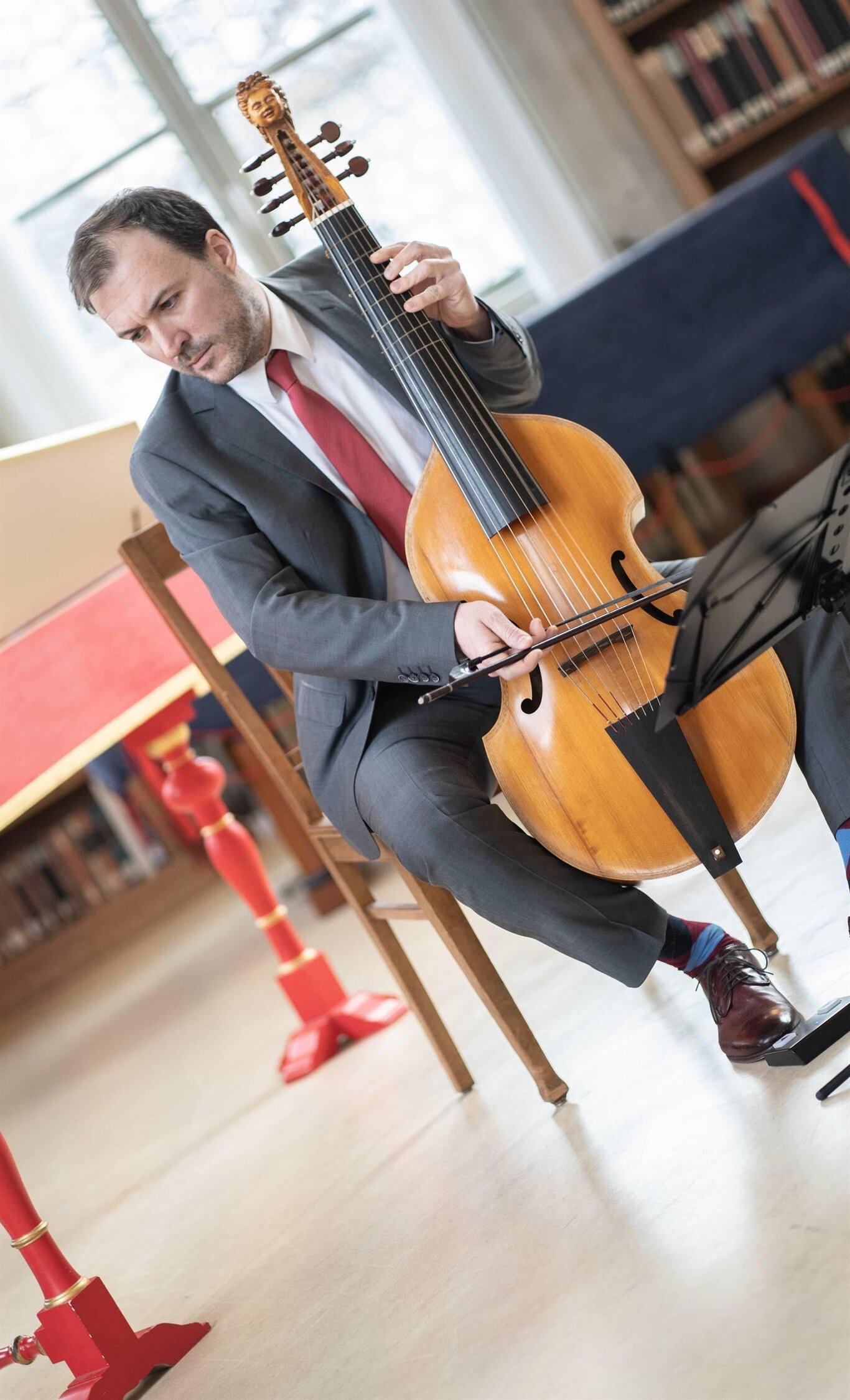
The viola da gamba is one of the symbolic instruments of European music between the Renaissance and Baroque periods.
Appreciated for its soft, warm tone rich in nuances, it was a leading instrument in chamber music, especially at the French and German courts, before gradually giving way to the cello.
Johann Sebastian Bach dedicated three sonatas to it, which today represent one of the absolute peaks of the repertoire, works in which melancholy, elegance, and virtuosity coexist in perfect balance.
What makes these compositions particularly innovative is the role assigned to the harpsichord.
Unlike what happened in most music of the time, the keyboard does not simply accompany the melodic instrument but becomes a protagonist.
The harpsichord continually dialogues with the viola da gamba, intertwining melodic lines and counterpoints that give life to a musical conversation rich in balance, imagination, and expressive intensity.
The same autographed manuscript of the Sonata in G major BWV 1027 indeed bears the title Sonata à Clavicembalo e Viola da Gamba, emphasizing the importance Bach attributed to this refined sonic relationship.
The program features the performance of the three Sonatas BWV 1027, 1028, and 1029, alternated with some Preludes and Fugues taken from the first book of The Well-Tempered Clavier.
These pages represent one of the highest expressions of Bach's contrapuntal art and allow us to grasp the extraordinary ability of the composer to transform the rigor of musical construction into a form of intense expressiveness.
Among the pieces on the program, the famous Prelude and Fugue in C-sharp minor stands out, a monumental sound architecture built on a five-voice fugue that continues to astonish performers and listeners alike.
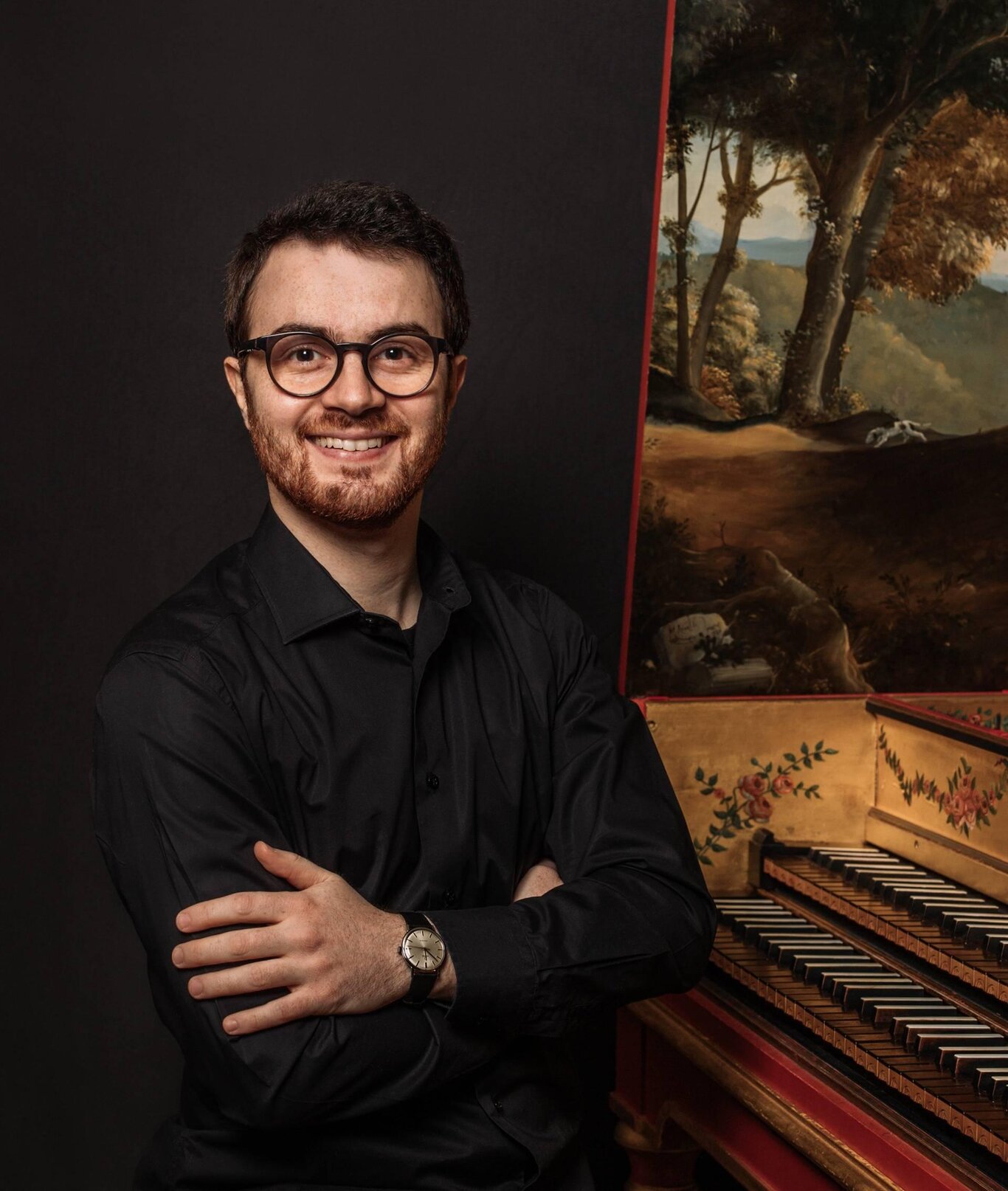
Giving voice to this repertoire are Alex Jellici, a cellist and gambist specializing in early music, and Giulio De Nardo, a harpsichordist and scholar of the Baroque repertoire.
Both combine their concert activities with constant research into historical sources and performance practices, offering interpretations that unite philological rigor and great musical sensitivity.
Their dialogue allows for the rediscovery of these works in their most authentic dimension, highlighting the extraordinary modernity of Bach's writing.
More than just a simple concert, this event represents an invitation to listen to chamber music in the way it was envisioned by its composer: in a cozy space, where every sonic detail can be captured clearly and every nuance has the time to unfold.
Free admission.
 +39 0422 442504
 info@antiquavox.it
 https://www.antiquavox.it
 How to get there