The Val di Zoldo guards a musical heritage that intertwines with the history of its churches, its villages, and the ancient organs that still resonate today in the places for which they were built.
The church of San Tiziano in Goima welcomes the public in a collected and authentic atmosphere, offering the ideal setting for a concert dedicated to the origins of the modern organ and one of the protagonists of European music of the seventeenth century.
Amid the silence of the mountains and the beauty of the Dolomite landscape, listening becomes an opportunity to rediscover a repertoire of extraordinary charm and one of the most significant moments in the evolution of keyboard music.
The program pays homage to Francisco Correa de Arauxo (1584-1654), one of the most important composers and organists of Spain's Siglo de Oro.
His collection Facultad orgánica, published in 1626, represents one of the fundamental works of European organ literature.
In addition to gathering sixty-nine compositions, the volume constitutes a true treatise dedicated to the art of performance, in which Correa addresses topics such as fingering, ornamentation, articulation, and musical interpretation.
Even today, this work is considered an essential source for understanding the birth of modern organ language and the extraordinary richness of the Iberian school.
Through a selection of tientos and other pieces from the Spanish repertoire of the 17th century, the concert takes the audience back to a time of great transformations.
The rigorous polyphonic architectures inherited from the Renaissance coexist with a growing expressive freedom, anticipating many of the characteristics that will become hallmarks of baroque music.
The result is a language rich in contrasts, capable of alternating moments of intense spirituality with passages of brilliant virtuosity, in which the organ reveals all the variety of its colors and sound possibilities.
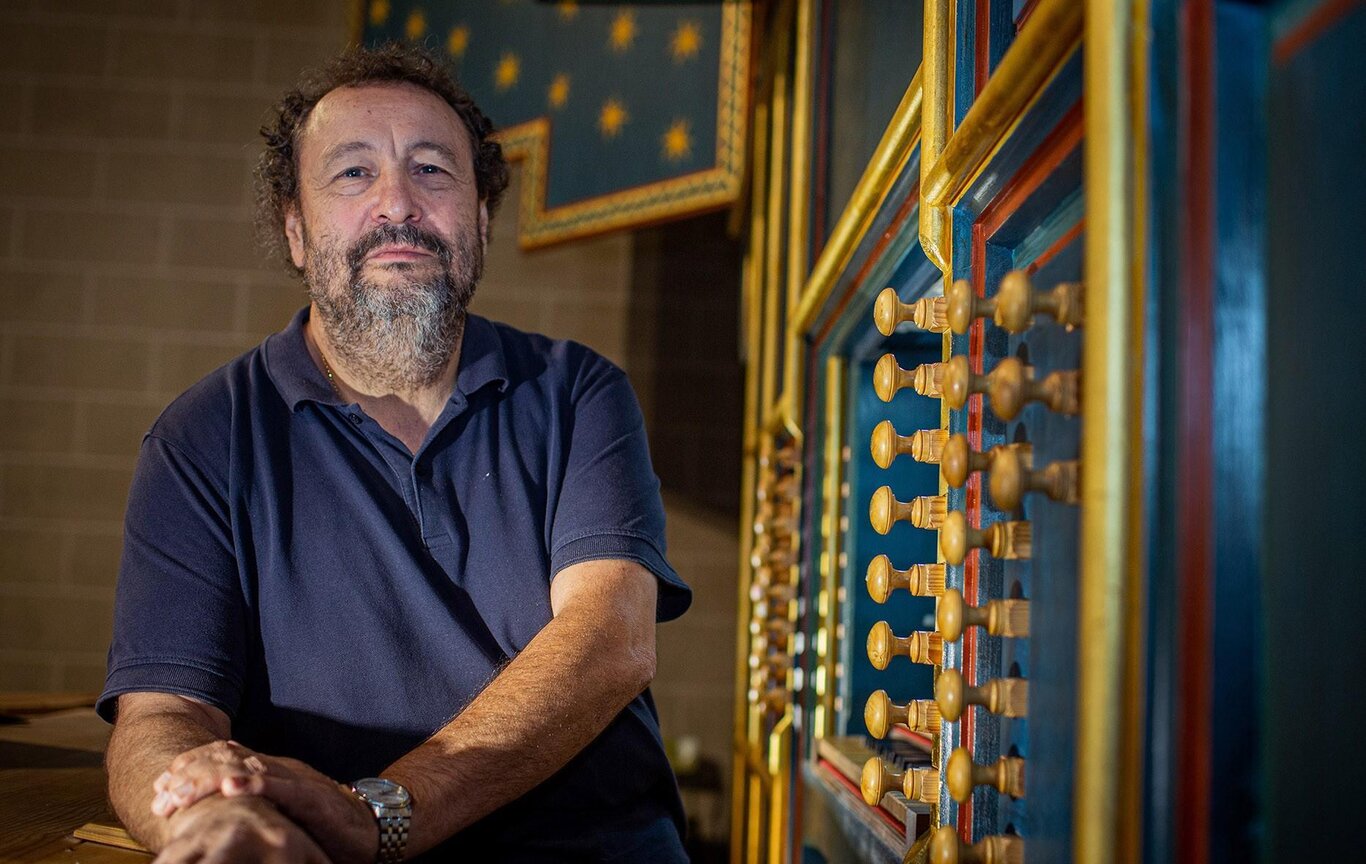
The performer of the evening is Javier Artigas, a Spanish organist, harpsichordist, and musicologist, internationally recognized as one of the leading specialists in ancient Iberian music.
For years, he has combined concert activity with intense research on historical sources and performance practice, collaborating with important European musical institutions and participating in major festivals dedicated to ancient music.
His interpretations stand out for their historical rigor and for the ability to convey all the vitality and expressive force of a repertoire still little known to the general public.
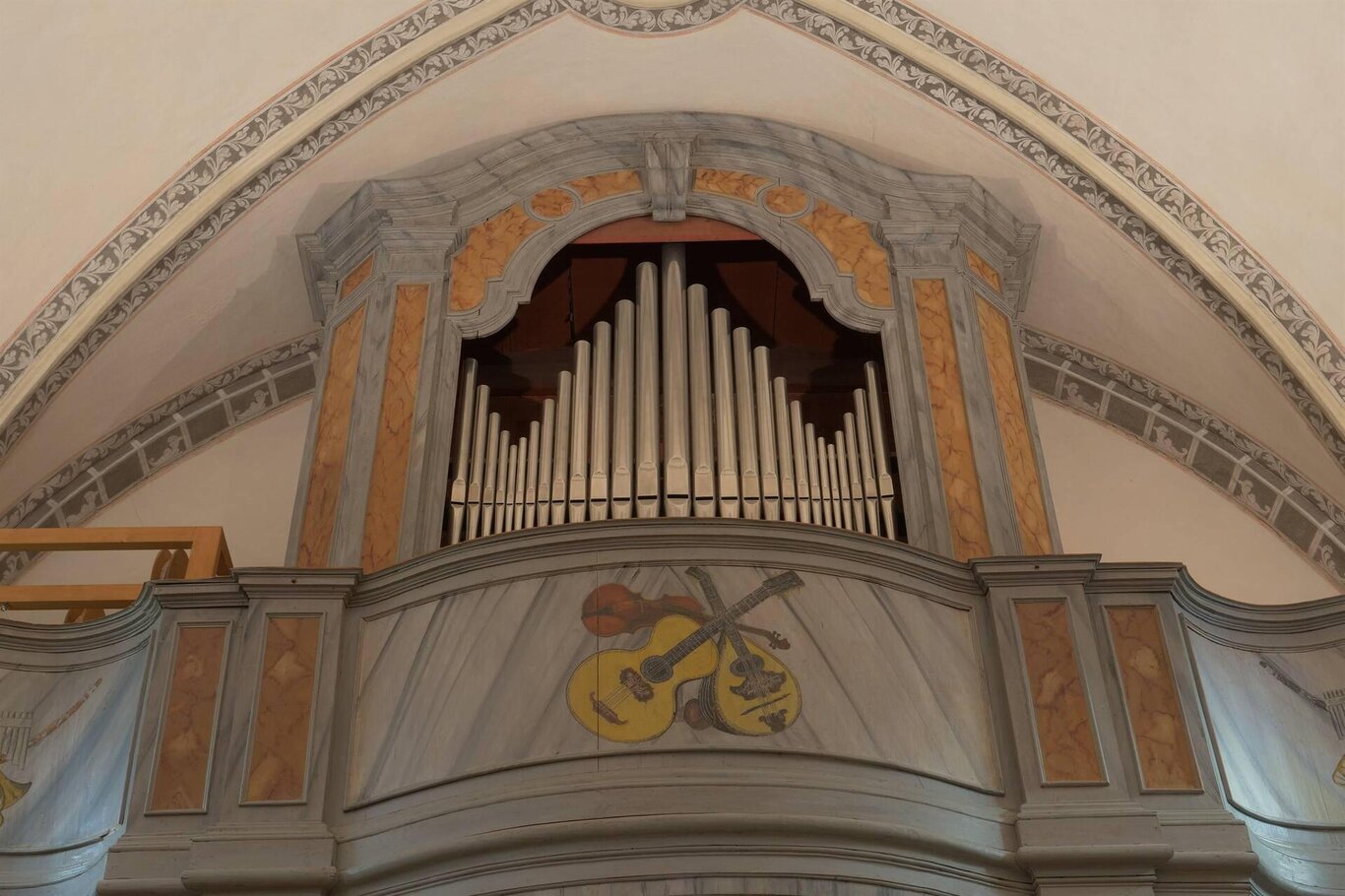
The concert takes on a special significance thanks to the historic organ of the church of San Tiziano, which preserves construction and timbral characteristics capable of enhancing this repertoire.
A visit to Goima also offers the opportunity to experience one of the most characteristic villages of the Val di Zoldo, where the mountain landscape and the testimonies of local history recount the deep bond between community and territory.
Thus, the concert becomes part of a cultural itinerary that invites discovery of not only great European music but also the places that host it and keep it alive and significant today.
Participating in this event means taking a journey to the roots of Western organ tradition, allowing oneself to be guided by the notes of one of its most important protagonists.
An experience that combines the charm of ancient music with the discovery of the historical heritage of Val di Zoldo, offering the audience an authentic, engaging, and suggestive listening experience.
Free entry.
 +39 0422 442504
 info@antiquavox.it
 https://www.antiquavox.it
 How to get there